Moving in the monsoon works fine with a few changes. Keep a spare day in the plan, add a waterproof outer layer over normal packing, and use a closed container truck instead of an open one under a tarpaulin. Carry documents and small electronics yourself. If an orange or red heavy-rain warning covers moving day or the route, shift the date.
- Keep a buffer day on each side of the move and check IMD warnings for both cities and the route.
- Waterproofing goes over good packing, not instead of it; seal cartons and wrap them in film.
- Never wrap damp furniture straight in plastic, or you'll trap moisture against the wood.
- Open clothes, bedding, leather and electronics first at the new home and let appliances dry before use.
When is the monsoon, and how should you pick dates?
Pick dates around the rainfall pattern of the places you're moving between, not just the calendar. The southwest monsoon usually reaches Kerala around the start of June, covers most of the country by early July and starts pulling back from the northwest in September. Tamil Nadu and parts of the southeast coast get much of their rain later, from the northeast monsoon between October and December. So the rainy season can mean quite different months at each end of an intercity move.
When you have a choice, these help:
- Check the forecast for both cities and the route, not only the city you're leaving
- Avoid the heaviest weeks of rain in your region if the move isn't tied to a joining date
- Keep one spare day before the lease runs out and another after the expected delivery
- Start loading early in the day, so a long shower doesn't push the work into the dark
- Ask whether any hill or ghat stretch on the route has had landslides or closures recently
Mid-month dates tend to be less crowded than the end of the month, and that matters more in the rains. A crew racing to finish two jobs in one day is more likely to keep loading through a downpour. Book the survey early and tell the mover up front that you'd like the option of moving the date by a day.
Waterproof packing that actually works
Waterproofing is an extra layer over good packing, not a substitute for it. A carton wrapped only in plastic can still crush, and wet cardboard loses its strength fast, so the inside has to be packed properly first. We pack in 4 layers all year; in the rains, the sealing of the outer layer and keeping cartons off wet floors are what make the difference.
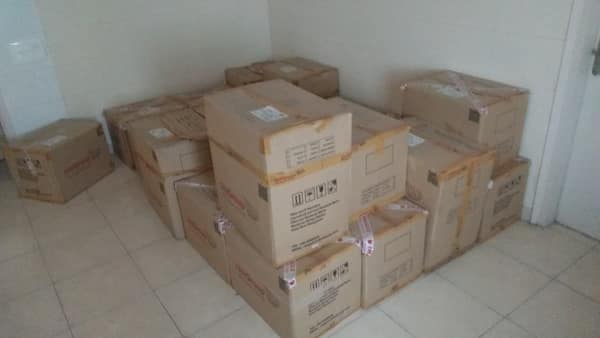
- Fresh, dry cartons. Boxes that sat in a damp store room go soft. Use new double-wall cartons and keep them indoors until they're filled.
- Every seam taped. Tape the top and bottom along the centre and across both edges, so no joint is left open.
- Film or plastic outside. Wrap sealed cartons in stretch film, and put soft items such as pillows and quilts in thick plastic bags first.
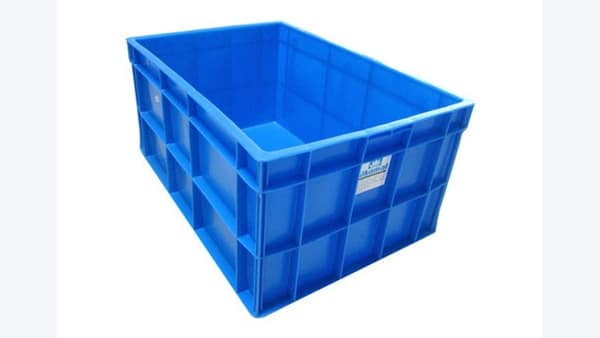
- Plastic tubs for some things. Shoes, utensils, cleaning supplies and tools travel well in lidded plastic crates.
- Silica gel sachets. Add a few to cartons holding leather, cameras, electronics, books and papers.
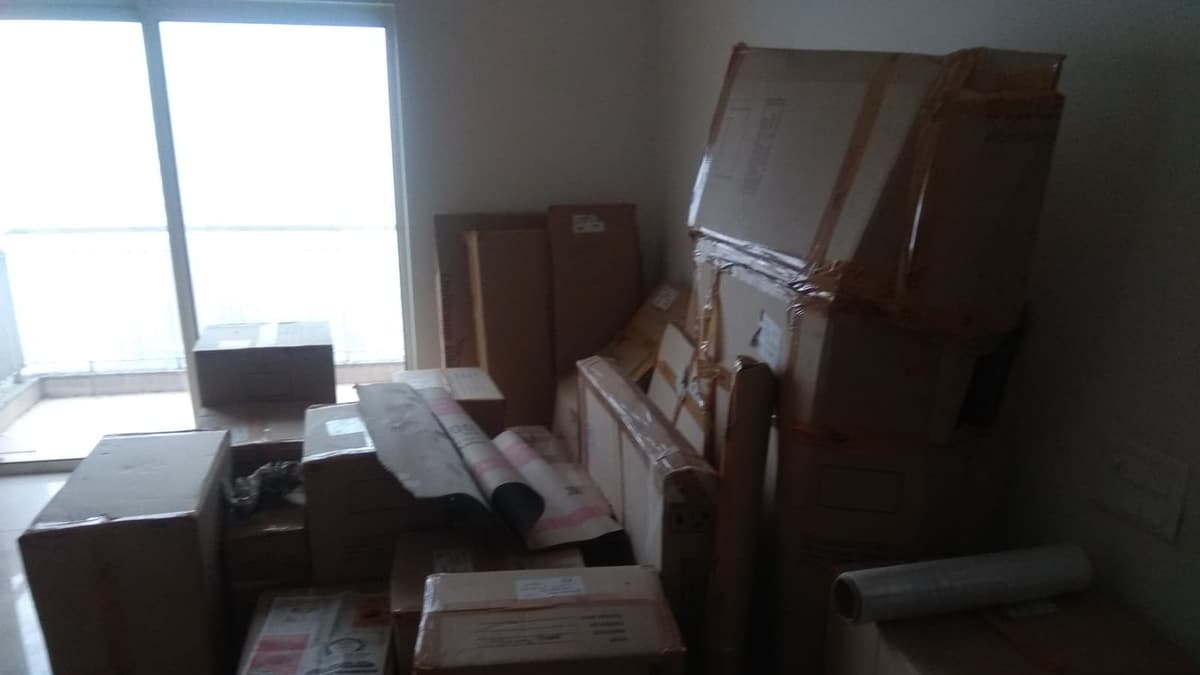
- A dry place to stack. Keep packed cartons on a plastic sheet or wooden pallets, never on a floor that wet footwear will cross all day.
Don't pack anything damp. Laundry that isn't fully dry, a wet mop or a fridge tray that was just washed will make everything near it smell within a day in a closed carton. Finish the washing two or three days early and let it dry indoors under a fan if you have to.
What needs the most protection in the rain
Some belongings shrug off a little damp and some are ruined by it. Spend your effort where the risk is highest.
| Item | Monsoon risk | How to pack it |
|---|---|---|
| TVs, laptops, music systems | Moisture in the circuits, condensation after a cool truck | Original box or foam and bubble wrap, silica gel inside, carton sealed in stretch film |
| Fridge and washing machine | Leftover water leaking, mould and smell inside | Defrost or drain fully, dry with the door open for a day, then wrap and seal |
| Wooden furniture | Swelling, sticking doors and drawers, white marks on polish | Wipe dry, soft cloth or sheet layer against the wood, plastic sheeting outside |
| Mattresses and sofas | Foam soaking up water, mildew smell | Thick plastic mattress bag or fully sealed sheeting, carried under cover |
| Clothes and bedding | Musty smell, mildew spots | Only fully dry items, plastic-lined cartons or suitcases |
| Books and files | Swollen covers, stuck pages, running ink | Small plastic-lined cartons with silica gel, never at the bottom of a stack |
| Documents and certificates | Permanent damage or loss | Waterproof zip pouch in a bag that stays with you |
| Leather bags, shoes and jackets | Mould within days | Clean and dry, stuffed with paper, cloth bag and silica gel inside a sealed carton |
| Cycles, tools and gym equipment | Rust | Wipe dry, a light coat of oil on bare metal, wrapped in plastic |
| Potted plants | Waterlogged soil, spills over other goods | Drain the soil, bag the pots, keep them upright and away from cartons |
Protecting electronics, furniture and documents
Electronics
Electronics have to be dry going in and dry before they're switched on. Use the original boxes if you kept them. Otherwise wrap each item in foam or bubble wrap, add silica gel and seal the carton in film. Photograph the cable setup behind the TV and computer, pack cables in labelled zip bags, and carry laptops, hard drives and phones yourself. At the new home, let TVs and computers sit at room temperature for a few hours before plugging them in, especially if you can see moisture on the surface. The fridge should also stand upright for a while before it goes on.
Furniture
Wood swells in humid air and marks when water sits on it. Wipe every piece dry before it's wrapped, and take out glass shelves and loose fittings. With us, furniture is packed in the reusable Fabric Sheet, which covers edges and finished surfaces; in wet weather it's worth having plastic sheeting over any soft wrap as well. Plastic pressed straight onto polished wood can hold moisture against the surface, so there should always be a dry, soft layer in between. Sofas and mattresses need complete plastic covers, because once foam takes in water it stays damp for days.
Documents
Important papers shouldn't be on the truck at all. Put property papers, certificates, passports, cheque books and school records in a waterproof pouch inside a bag you carry. Scan them to DigiLocker or cloud storage before moving week, so a copy exists whatever happens to the originals.
Loading the truck in the rain
Ask for a closed container truck. An open truck with a tarpaulin lets water in at the joints, and a tarp that works loose on the highway lets in a lot more. Before loading starts, look inside: the floor should be clean and dry, and the doors should close properly.
Good loading habits in wet weather:
- Park the truck as close to the entrance as the society and road allow, ideally under a porch or stilt parking
- Bring cartons down in batches once the truck is ready, not all at once into a wet lobby
- Stop during a heavy shower, since a short wait costs far less than soaked cartons
- Lay a plastic sheet or wooden planks on the truck floor before the first item goes in
- Keep moisture-sensitive cartons away from the doors and off the floor
- Cover the top of the load with a plastic sheet before the doors are shut
On long routes, a sealed container adds one more barrier. Our Trucking Cube is a lockable container that you lock yourself and hold the keys to, and because goods stay inside it for the whole trip, weather stays outside. Ask about transit insurance too when you book home shifting. It's optional, but monsoon routes do see accidents and floods, so read what the policy covers before you decide.
What if a heavy-rain alert lands on moving week?
Take the alert seriously and be ready to change the date. The India Meteorological Department uses colour codes: yellow asks you to stay updated, orange to be prepared, and red to take action. An orange or red heavy-rain warning for loading day, or for districts along the route, is reason enough to call your mover straight away.
Here's what to do, roughly in this order:
- Check the district-level warnings on the IMD website or the Mausam app for both cities and the route
- Call the mover and agree a backup date; a sensible mover would rather lose a day than load in a downpour
- Tell both housing societies, because the lift booking and gate permission may need changing
- Speak to your landlord about the key handover if the lease end is close
- If you have to vacate anyway, ask about holding the goods in storage until the route is clear
- Keep medicines, chargers, a torch, documents and a few days of clothes in the bag you carry
Once goods are on the road, flooding or a landslide can hold a truck up for hours or even days. That's frustrating, but it's much safer than pushing through. Agree beforehand how the move manager will send you updates, so a delay doesn't become a day of unanswered calls. If you're stuck between homes, short-term warehousing can hold everything until both the new place and the weather are ready.
Unpacking and drying out at the new home
Open the soft and sensitive cartons first, ideally on delivery day. Clothes, bedding, leather, books and electronics are where damp does its damage in a closed box, so don't leave them sealed for a week while you set up the kitchen.
- Look at each carton as it comes off the truck and put any wet ones aside to open immediately
- Photograph water damage and note it on the delivery papers before signing, since insurers usually ask for this
- Air out anything that smells musty, and run fans with the windows open whenever it isn't raining
- Wipe wooden furniture dry and leave doors and drawers slightly open for a day
- Get soggy cardboard out of the house quickly, because damp cartons attract cockroaches and silverfish
- Leave the fridge and washing machine open and dry for a while before first use
A new home in the rains can have its own problems. Look for seepage on walls, damp inside built-in wardrobes and leaks around window frames before you fill the cupboards. If a wardrobe smells damp, keep clothes in suitcases for a few more days and put moisture absorbers or silica gel inside. A dehumidifier, or the dry mode on an air conditioner, clears the air in a closed flat much faster than fans alone.
Book a free pre-move survey and get your price in writing, or send us your moving details.
Frequently asked questions
Is it a good idea to shift house during the monsoon?
It's fine for most moves if you plan for the weather. With waterproof outer packing, a closed container truck and a spare day in the schedule, a monsoon move usually goes normally. If your dates are flexible, avoid the heaviest weeks of rain in your region.
How do I protect cartons from rain while moving?
Tape every seam, wrap each carton in stretch film or plastic and keep it indoors until the truck is ready. Stack cartons on a plastic sheet or pallets rather than a wet floor. Inside the truck, a floor covering and a sheet over the load add more protection.
Should I postpone my move if IMD issues a red alert?
Yes, postpone loading if a red or orange heavy-rain warning covers moving day or your route. Agree the next workable date with your mover and tell your society and landlord. Loading and driving in extreme weather risks both wet goods and an unsafe trip.
How do I keep electronics safe from moisture during a move?
Pack them completely dry, in original boxes or foam and bubble wrap with silica gel inside, and seal the carton in plastic. Carry laptops and phones yourself. At the new home, leave TVs and computers at room temperature for a few hours before switching them on.
Can wooden furniture get damaged by monsoon humidity?
Yes, wood swells in humid air, so doors and drawers can stick and polish can turn cloudy where water sits. Wipe furniture dry before wrapping, keep a soft layer under any plastic and air the pieces out after unloading. Most swelling eases once the wood dries.