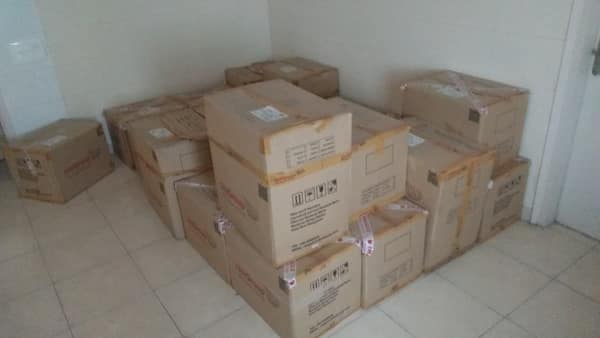
Pack fragile items one at a time. Wrap each piece in paper or bubble wrap, stand plates, mirrors and screens on their edge, and fill every gap so nothing moves when the box is shaken. Use small, strong double-wall cartons and label them fragile with arrows on several sides. In the truck, fragile boxes never sit under heavy loads.
- A box that rattles isn't ready; fill every gap with crumpled paper or soft padding.
- Plates, mirrors, glass tops and TVs travel standing on their edge, never lying flat.
- Keep fragile cartons small and light, and never let heavy boxes rest on them.
- Unpack on a bed or table and search the used wrapping for small parts before throwing it out.
Get the right packing materials first
The right materials prevent most breakages, so gather them before you wrap a single glass. Old newspapers and whatever cartons the grocery shop hands out aren't enough for fragile things, and newsprint ink can rub off onto white crockery and showpieces.
- Double-wall cartons in small and medium sizes, since large boxes get too heavy once they're full of crockery
- Plain packing paper for wrapping and for filling gaps without leaving ink marks
- Bubble wrap as the cushioning layer over paper
- Foam sheets for plates, screens and polished surfaces
- Cell dividers for glasses and bottles, or strips of cardboard to make your own
- Corrugated sheets and corner guards for mirrors, frames and glass tops
- Strong tape, a thick marker and coloured tape or labels
- Stretch film to hold wrapping in place without tape touching the surface
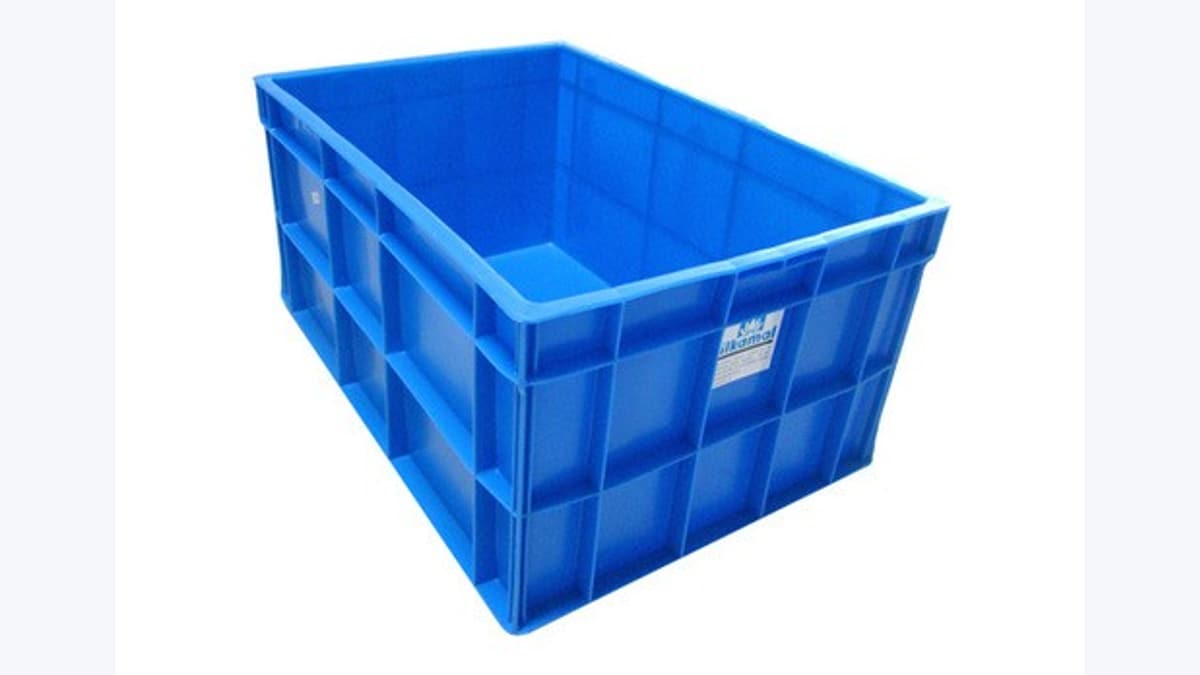
Very heavy or valuable pieces, like a large glass or marble table top or a big framed artwork, are safer in a wooden crate. For crockery and glassware, our Perfect Box is built with a shock-absorbent structure that takes the jolts of loading and road travel, while the wrapping inside keeps pieces from knocking into each other.
Glassware and crockery, step by step
Wrap every piece separately and stand plates on their edge. Packing plates upright, like files in a drawer, spreads the force of a bump along the strongest part of each plate instead of loading the whole stack.
Plates, bowls and cups
- Line the bottom of the carton with a thick layer of crumpled paper
- Wrap each plate in paper, then wrap small bundles of plates together in bubble wrap
- Stand the bundles upright in a row, with the heaviest plates in the bottom layer
- Nest bowls with a sheet of paper between each one and wrap the set together
- Wrap cups one by one, padding the handles well, and put them in the top layer
- Fill every gap, add another padded layer on top and then seal
Glasses and stemware
Push a little paper inside each glass before wrapping it. Wine glasses and anything with a stem need extra paper wound around the stem, which is where they snap. Stand glasses upright in a carton with cell dividers, keep them in the upper part of the box, and never put plates or heavy bowls above them.
Then do a shake test. Close the flaps, lift the carton slightly and move it gently from side to side. If anything shifts or clinks, open it and add more filling. Keep each carton light enough for one person to carry comfortably, because an overloaded box of crockery is the one most likely to slip out of someone's hands.
Mirrors, glass tops, TVs and monitors
Large flat glass always travels on its edge with the corners protected.
Mirrors, glass table tops and framed glass
Take glass tops and shelves off furniture before anything else is packed. Put a large X of masking tape across mirror glass. It won't stop a break, but it helps hold the pieces together if the glass cracks. Fit corner guards, wrap the whole piece in bubble wrap, then sandwich it between two corrugated sheets or slide it into a mirror carton. Write "Glass, keep on edge" on both faces. Heavy glass tops and very large mirrors should go in a wooden crate.
TVs and monitors
The original box with its foam inserts is the best packing you'll get. If it's gone:
- Photograph the cable connections at the back, then unplug and label each cable
- Remove the stand or wall bracket, and tape the screws in a zip bag to the back panel
- Cover the screen with a soft cloth or foam sheet so bubble wrap and tape never touch the panel
- Wrap the set in bubble wrap, place a corrugated sheet over the screen side and pack it in a TV carton or crate
- Keep it upright in the truck with nothing resting on top
Put remotes in a labelled bag of their own, since they're the first thing to go missing at the other end. At the new home, give the TV some time to reach room temperature before switching it on, particularly after a hot or humid trip.
Lamps, idols, showpieces and artwork
Lamps
Take lamps apart before packing. Remove the bulb and wrap it separately, take off the shade, and pack the base and shade in different cartons. Shades dent easily, so they go in a box of their own with light padding and nothing heavy stuffed inside.
Idols and showpieces
Wrap idols in soft cloth first and bubble wrap second, with extra padding on raised parts such as hands, crowns and the edges of the base, because that's where chips happen. Brass and marble idols are heavy for their size, so give them small, strong boxes with plenty of filling and never mix them with glass. Clay, terracotta and porcelain figures are among the most delicate things in many homes. Put each one in its own small box inside a larger carton. Plenty of families prefer to pack puja room items themselves, which is perfectly fine; just tell the packers which cartons they are so they're handled and loaded with care.
Artwork
Photograph every piece before it's wrapped. Framed art under glass gets the mirror treatment: tape, corner guards, bubble wrap and corrugated sheets, carried upright. Oil and acrylic paintings on canvas need a layer of glassine or plain paper against the paint before any bubble wrap goes on, because plastic pressed onto paint in the heat can stick or leave a pattern. Valuable art deserves a custom crate, and it should be listed separately on the inventory with its value if you're taking transit insurance.
How do you pack musical instruments?
Use a hard case whenever you can, and pad the inside so the instrument can't move.
- Guitars. Loosen the strings a little to ease tension on the neck, fill the gaps in the case with soft cloth, and pack the case inside a padded carton.
- Violins and other bowed instruments. Keep them in their case, check the bridge is standing straight, loosen the bow hair, and ask your teacher before changing string tension.
- Keyboards. Use the original box, or foam on every side, and keep them level.
- Harmoniums. Close and latch the bellows, push in all the stops, and wrap the instrument in a thick blanket before it goes into a carton.
- Tabla, dholak and other drums. Use padded bags, keep them upright and never stack anything on the drum heads.
- Sitar, veena and tanpura. The large resonators crack easily, so a hard case with extra padding or a custom crate is safest, and they should be loaded last by hand.
- Pianos. These need specialist handling. Mention one when you ask for a pre-move survey so it's planned properly.
Heat and humidity affect wood, skins and strings, so instruments shouldn't sit in a parked vehicle for long. Small, valuable instruments are usually safest travelling with you in the car or as cabin baggage.
Packing methods at a glance
| Item | Packing method | Material |
|---|---|---|
| Dinner plates | Wrapped one by one, bundled, stood on edge | Packing paper, bubble wrap, double-wall carton or Perfect Box |
| Bowls | Nested with paper between, wrapped as a set | Packing paper, bubble wrap |
| Glasses and stemware | Paper inside and around, extra wrap on stems, upright in dividers | Packing paper, cell dividers, small carton |
| Mirrors and glass tops | Tape X, corner guards, fully wrapped, kept on edge | Masking tape, corner guards, bubble wrap, corrugated sheets or crate |
| TVs and monitors | Screen covered, wrapped, upright, nothing on top | Original box or foam, bubble wrap, TV carton or crate |
| Lamps | Bulb and shade removed, packed in separate cartons | Paper, bubble wrap, small cartons |
| Idols and showpieces | Cloth first, extra padding on raised parts, small boxes | Soft cloth, bubble wrap, small strong cartons |
| Framed art and canvases | Paper against paint, corner guards, carried upright | Glassine or plain paper, corner guards, corrugated sheets |
| String instruments | Tension eased where safe, padded inside a hard case | Hard case, soft cloth, outer carton |
| Harmonium and drums | Bellows latched, drum heads protected, kept upright | Blanket, padded bags, carton |
| Glass-fronted furniture | Glass removed and packed separately, frame wrapped | Fabric Sheet for the frame, bubble wrap and corrugated sheets for the glass |
Labels the crew will actually see
Write FRAGILE and draw an arrow pointing up on at least two sides of every fragile carton, not only on the lid, because the lid is hidden once boxes are stacked. Add the room and a short contents note, such as "Kitchen, glasses" or "Puja room, brass idols". A strip of coloured tape makes fragile cartons easy to spot in a pile. Number every carton and keep a matching list on your phone, so you'll know straight away if one hasn't arrived.
Loading order and what to check when unpacking
Fragile cartons go in after the heavy items and never carry weight on top. The usual sequence is heavy furniture and appliances first, against the front wall of the truck, then sturdy cartons, then fragile boxes placed on or beside stable pieces and tied off so they can't slide. Mirrors, glass tops and framed art stand on edge between padded items like mattresses and sofas. We wrap furniture in the reusable Fabric Sheet, which also stops wooden edges scraping against the glass and cartons packed next to them.
If you book a household shift with us, our own trained staff pack fragile items using 4-layer packing, so you don't have to do all of this yourself. It still helps to point out heirlooms and anything unusually delicate during the free pre-move survey.
At the new home, open fragile cartons on a bed, table or mattress rather than the floor, and then:
- Look at the outside of each fragile carton for dents or crushing before you sign for delivery
- Unwrap one item at a time and check for chips, hairline cracks and loose parts
- Sift through the used paper before it goes in the bin, since cup lids, lamp finials and small ornaments on idols are easy to miss
- Photograph any damage with the carton and its label in the frame
- Report damage to the mover in writing quickly, and to the insurer within the time the policy allows
Book a free pre-move survey and get your price in writing, or send us your moving details.
Frequently asked questions
What is the best way to pack plates for moving?
Wrap each plate in packing paper and stand them on edge in a small double-wall carton instead of stacking them flat. Put crumpled paper at the bottom, around the sides and on top so nothing moves. Heavier plates go in the bottom layer, with cups and glasses above.
Should I use newspaper to wrap crockery?
It's better not to. Newspaper ink can rub off onto white crockery and showpieces, and it cushions less than packing paper or bubble wrap. If newspaper is all you have, put a layer of plain paper or cloth against each item first.
How should a TV be transported without its original box?
Cover the screen with a soft cloth or foam, wrap the TV in bubble wrap, put a corrugated sheet over the screen and pack it in a TV carton or wooden crate. Keep it standing upright in the truck with nothing placed on top.
Can mirrors be laid flat in a moving truck?
No, mirrors and glass tops should travel standing on their edge. Lying flat, the glass flexes over bumps and anything placed on it can crack it. Protect the corners, wrap the piece fully and wedge it upright between padded furniture.
How do I pack brass or marble idols for a move?
Wrap each idol in soft cloth, then bubble wrap, with extra padding on raised parts like hands and crowns. Pack heavy idols in small, strong cartons with every gap filled, and keep them apart from glass. Mark the carton clearly so it's handled with care.
What should I do if something fragile breaks during the move?
Photograph the item with its carton and label, and note the damage on the delivery papers before you sign if possible. Tell the mover in writing quickly. If you took transit insurance, check the claim deadline and the documents the policy asks for.