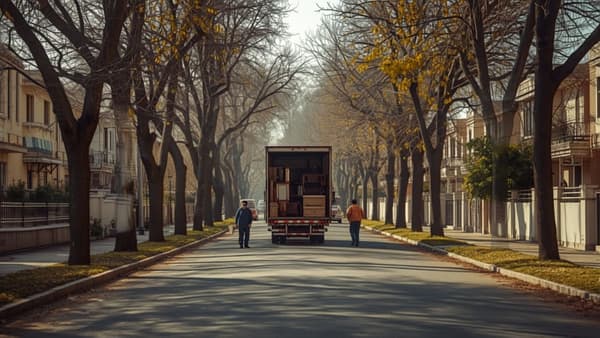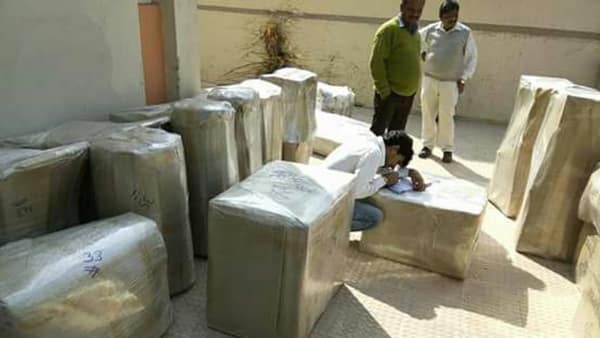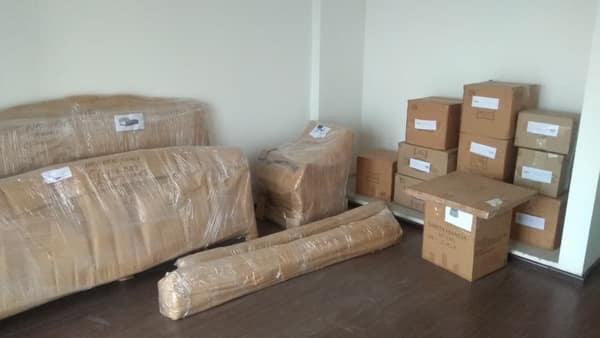
For moves to Gangtok, Darjeeling or Kalimpong, Siliguri is the switching point. Long-haul trucks unload there, and goods go up in smaller vehicles that can handle hill bends and narrow lanes. Pack heavy items low and fragile ones tight, avoid June to September if you can, and keep ID ready for the checks at the Sikkim border.
- Big trucks rarely reach hill homes, so goods usually switch to smaller vehicles in Siliguri.
- Gangtok is about 110 km from Siliguri, but monsoon landslides on the Teesta road can add days.
- Indian citizens don't need a permit for Gangtok, but some Sikkim areas and all foreign nationals do.
- Many hill homes sit below or above the road, so the last stretch is often carried by hand.
Why Siliguri is the switching point
Almost every move into the Darjeeling hills or Sikkim passes through Siliguri, because this is where the plains end. A large truck coming from Kolkata, Patna or Delhi reaches the city without trouble. Once the road leaves Sukna and starts climbing towards Kurseong, or crosses Sevoke into the Teesta valley, it becomes the wrong vehicle. The bends are tight, the roads narrow in places, and many hill neighbourhoods are reached by lanes a big truck will never fit into.
So we plan these moves in two legs. Long-haul goods arrive in Siliguri, get checked against the packing list and are loaded onto one or more smaller vehicles for the climb. If the move starts in Siliguri itself, the smaller vehicle simply loads at your door. Going the other way, goods from the hills come down to Siliguri and are consolidated into a larger truck for the plains.
The switch takes a few hours. If the road up is shut that day, goods wait in storage rather than in a parked truck. For shifting within the city, see our Siliguri packers and movers page.
Gangtok, Darjeeling and Kalimpong are three different moves
Gangtok
Gangtok is about 110 km from Siliguri and normally a 1–2 day move along NH10, which follows the Teesta for much of the way. The city is built on steep ridges, and it's common for a building's entrance to be at road level with several floors going down the slope below it. Parking on the main roads is tight, so loading and unloading have to happen quickly at the roadside.
Darjeeling and Kurseong
Homes in Darjeeling are often reached by a flight of steps from the road, and sometimes a long one. Goods are carried by hand for that last stretch, so we send more people and keep each carton lighter. Water can be scarce in Darjeeling town in the dry months, so ask the landlord how the house gets its supply before you commit.
Kalimpong
Kalimpong is reached by leaving the Teesta road and climbing, and the town spreads along a ridge with narrow roads between neighbourhoods. It's usually a quieter job than Gangtok, but the vehicle choice matters just as much.
How should you pack for a steep climb?
On a hill road, goods don't just sit in the vehicle. They lean into every bend for hours, and packing that holds up fine on a highway can work loose on the climb. We change a few things for hill moves.
- Heavy items like almirahs, the washing machine and boxes of books go at the bottom and towards the front, and nothing heavy rides on top of a sofa.
- The fridge travels upright and strapped. At the new house, let it stand for a few hours before switching it on.
- Washing machines should have their transit bolts refitted, so keep them safe if you still have them from installation.
- Glass, crockery and showpieces go into Perfect Box cartons, which soak up the constant knocks on the bends.
- Cartons are kept smaller so they can be carried down steps at the other end.
- TVs and computers need time after the climb. Coming from warm Siliguri into a cold room in Darjeeling or Gangtok causes condensation, so wait before plugging them in.
Gas cylinders, plants and liquids such as cooking oil or cleaning products are best kept out of the vehicle altogether. Speak to your gas distributor about transferring the connection before you leave.
Monsoon landslides and road closures
From June to September, this is the question we hear most. The honest answer is that nobody can promise an exact date for a hill delivery in peak monsoon. The Teesta road to Gangtok and Kalimpong has stretches that slide after heavy rain, and it can close for hours, sometimes for days, while debris is cleared. There are other routes into Sikkim through the hills, but they're narrower, slower and not suitable for every vehicle.
What we do is plan around it. We check road status before dispatch, hold goods in Siliguri if the road is shut and send them up as soon as it reopens. Everything gets a waterproof outer layer, and furniture is covered in Fabric Sheet before it's loaded.
If you get to choose, November to February is the best window, though cold, foggy mornings can slow things in December and January. October has clear skies but heavy holiday traffic during the Puja weeks, when tourist vehicles fill the hill roads, and April to June is another busy tourist season.
Checks, permits and papers for Sikkim
Keep this general and check the current rules before you travel, because they do change. Indian citizens don't need a permit to live or work in Gangtok. Some parts of Sikkim, mainly areas near the international border, are restricted and need a separate permit even for Indian visitors, and foreign nationals need a permit to enter the state at all.
Vehicles entering Sikkim are checked at the Rangpo check post. For a household move, the driver carries the itemised packing list, a copy of your ID and the new address, which normally keeps the stop short. If you're moving on a posting, a copy of the posting order is worth adding.
Cars and bikes registered in other states can be driven in Sikkim. If you're staying long term, ask the local transport office about re-registration, which applies once you've lived there for more than 12 months.
A simple plan for a hill move
- Book the free survey and describe access at the hill home: steps, distance from the road and the width of the lane.
- Send photos or a short video of the path from the road to your door.
- Agree a dispatch date with a buffer day, or two or three during the monsoon.
- Carry documents, jewellery, medicines and some warm clothes with you.
- Be at the new house when the vehicle arrives, and tell the neighbours, so nobody parks in the only loading spot.
The same plan works in reverse when a posting in the hills ends. Goods come down to Siliguri in the smaller vehicle, get checked and repacked where a carton has taken knocks, and go on in one larger truck. Kolkata is about 580 km from Siliguri and a 2–3 day move, and our Kolkata packers and movers page covers delivery at that end. If you're heading further, to Delhi for instance, allow 5–7 days for the roughly 1360 km run.
Book a free survey and get your price in writing. See our packers and movers service in Siliguri.
Siliguri moving questions, answered
Can a big truck go from Siliguri to Gangtok?
Large trucks do use the highway, but most can't get anywhere near homes in Gangtok, where roads are narrow and parking is scarce. For household moves we usually switch goods to smaller vehicles in Siliguri, which can reach the building. The move manager decides the vehicle size after hearing about access at your new home.
How long does a move from Siliguri to Gangtok take?
Usually 1–2 days for the roughly 110 km drive, including the switch to a smaller vehicle. In the June to September monsoon, landslides on the Teesta road can close it for hours or days, so plan a buffer. We check road status before dispatch and hold goods in Siliguri if the road is shut.
Do I need a permit to move to Sikkim?
Indian citizens don't need a permit to live in Gangtok or most of Sikkim, but some areas near the border need one even for Indians, and foreign nationals need a permit to enter the state. Rules can change, so check official Sikkim government sources before you travel, and keep ID handy for the Rangpo check post.
Is it safe to shift to Darjeeling during the monsoon?
It can be done, but expect delays. Heavy rain triggers landslides on hill roads, and carrying goods down wet steps takes longer. We add waterproof wrapping, keep the date flexible and move when the roads are open. If you have a choice, November to February is easier, though winter mornings can be foggy.
What should not go in the vehicle on a hill move?
Keep gas cylinders, cooking oil, cleaning liquids, plants and anything else that can leak out of the vehicle. Carry cash, jewellery, documents and medicines yourself. Electronics can travel, but let them warm up to room temperature before switching on, and let the fridge stand for a few hours after it arrives.